
Keeping your family well this winter
Last week my son had a snotty nose, this week my daughter had a bit of a headache and low energy. Winter is almost here, and in Sydney the temperature drop always puts the immune system to the test, particularly at school.
Seasonal illness is common and useful for building immunity. But that doesn't mean you have to suffer through it. Having a toolkit for this season means you can support your family through it calmly.
Here are a few naturopathic tips to get you through.
Eat warmer foods and drinks
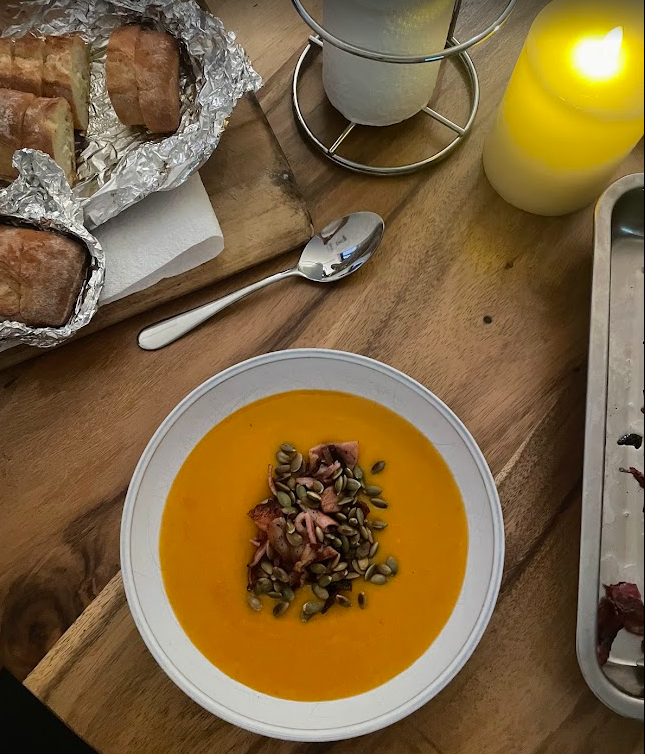
Our bodies love digesting warm food and drinks. A cold smoothie on a cold morning is giving your digestive system a real challenge. While there may be plenty of goodness in it, the delivery isn't going to work as well as you'd hope. Digestive juices struggle to get going in the cold, which means nutrients are absorbed less efficiently and discomfort is more likely.
Switch to a warm option instead. Think oats, eggs on toast, or a bowl of soup (soup might not land well with kids, but for parents it's a nourishing start to the day). And if you can’t not have a smoothie, keep the ice out or let the frozen fruit defrost for 10 mins on a metal baking tray.
For lunch and dinner, slow-cooked meals are your friend: bolognese, Mexican chilli bowls, stews, curries, cottage pie. If you want something quicker, a quiche or frittata with roasted vegetables is easy and warming.
For drinks, try swapping ice-cold water for a herbal tea. It's a small shift that adds up over a long winter. I’m loving a lemongrass tea at the moment. If anyone is unwell, warm water with a pinch of good quality salt or an electrolyte supplement is worth reaching for to keep hydration and mineral levels up.
Stay warm
If you're heading to the gym in a hoodie, keep it on until you've cooled down or had a shower. Don't make your body work harder than it needs to. The same goes for the kids, even if they insist they're not cold. Pop a jumper in their bag so they have the option if the temperature drops during the day.
Keeping your core warm, especially your neck, chest, and feet, reduces the strain on your immune system and helps your body focus its energy on recovery rather than thermoregulation.
Prioritise rest
This might mean choosing a hot shower over a third episode of whatever you're watching before bed. Watch one ep, have a shower, get into bed. It sounds simple because it is.
For kids, a bath or shower before bed is a great way to wind down, clean off the day, and signal that sleep is coming. It also means bed sheets and pyjamas stay fresher for longer, though that might just be a concern in households with a pre-pubescent 10-year-old like mine!
Do things that serve you
In summer, our family can happily bounce from one activity to the next. In winter, that same pace lands everyone grumpy and craving a quiet afternoon at home. We try not to book anything on Sunday afternoons (sacred rest time) and we shift a few early morning sports commitments to later in the day.
I recently heard winter described as a time to compost: to slow down, rebuild, and prepare for re-growth in spring. I love that framing. It takes the pressure off and makes rest feel purposeful rather than lazy.
Consider some simple immune support
As a naturopath, I also reach for a small selection of herbs and supplements during winter, both for my own family and as a starting point for clients. A few that are well-supported for immune health:
Elderberry has been shown to reduce the duration and severity of colds and flu. I make my own elderberry syrup at home, which I'll share the recipe for in an upcoming post.
Vitamin C supports immune cell function and is particularly useful when illness has already hit.
Andrographis is a herb with strong evidence behind it for upper respiratory tract infections and works best taken at the first sign of symptoms. It is one to use under the guidance of a practitioner rather than off the shelf, so get in touch if you'd like to know whether it's right for you and your family.
Echinacea is one of the most well-researched herbs for immune support and can be used both preventatively and during illness.
Dosing, quality, and timing all matter with supplements, and what works for one person won't necessarily be right for another. Get in touch if you'd like a personal winter plan for you and your family.
I'm Larissa Fletcher, a Bachelor of Health Science-qualified naturopath specialising in gut health and family wellness. Next Door Nature is a fully virtual practice, with consultations available on Thursdays and Fridays. Find out how you can work with me here.